Wellness Research
Research on Mood Tracking: What Science Says
Explore the science behind mood tracking — how it improves self-awareness, supports emotional regulation, and helps identify patterns that influence emotional wellbeing.
Mood tracking has evolved from handwritten journals and paper calendars into sophisticated digital tools that help people observe emotional changes over time. Rather than relying on memory alone, mood tracking encourages individuals to record how they feel consistently, creating a clearer picture of emotional wellbeing.
Over the past decade, researchers have increasingly studied mood tracking as part of broader mental wellness strategies. A growing body of psychological research — published in outlets such as the Journal of Medical Internet Research (JMIR Mental Health), Frontiers in Psychology, and Psychological Science — suggests that regularly monitoring emotions can improve self-awareness, help identify recurring patterns, support emotional regulation, and encourage healthier daily habits.
While mood tracking is not a medical treatment or diagnostic tool, it can provide valuable information that helps individuals better understand themselves and recognize changes that may otherwise go unnoticed.
This article reviews current research on mood tracking, explains why it appears to help, discusses its limitations, and explores how modern AI-powered wellness platforms build upon traditional mood journals. For a broader look at how AI supports emotional wellbeing more generally, see The Complete Guide to AI Emotional Wellness.
What Is Mood Tracking?
Mood tracking is the process of recording emotional states over time. This may include:
- Daily mood ratings
- Emotional descriptions
- Stress levels
- Energy levels
- Sleep quality
- Physical activity
- Personal reflections
- Gratitude entries
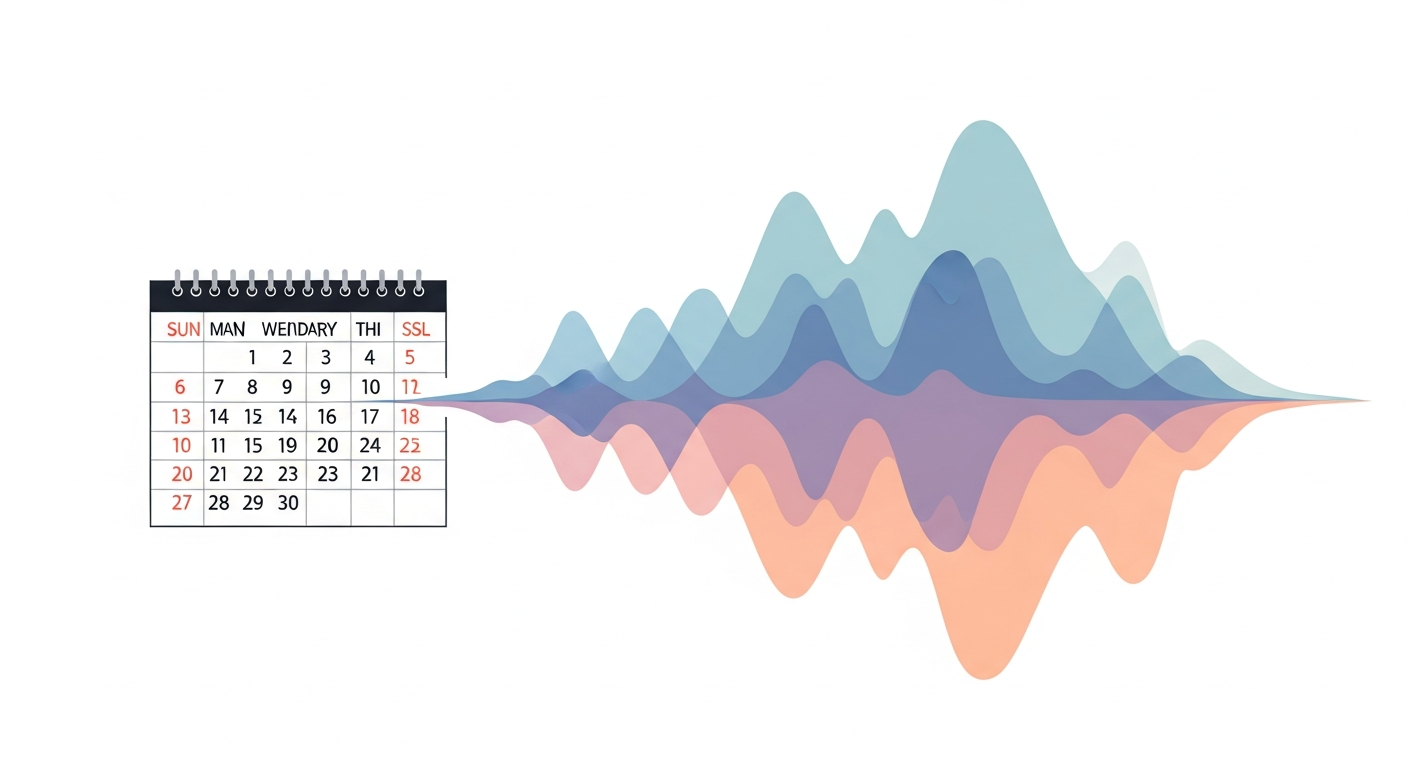
Rather than focusing on a single emotional event, mood tracking reveals patterns across days, weeks, and months. You can see this approach in practice in our own mood tracking feature, which is built around the same principle: consistency over time matters more than any single entry.
Why Researchers Study Mood Tracking
Psychologists have long recognized that emotions fluctuate in response to life events, relationships, physical health, sleep, work demands, and countless environmental factors.
One challenge is that people often remember experiences imperfectly. Researchers refer to this as recall bias — our memories may emphasize particularly positive or negative events while overlooking everyday emotional changes. This is part of why psychology research frequently relies on a methodology called ecological momentary assessment (EMA), which involves collecting self-reports close to the moment they occur, rather than asking someone to summarize how they felt over the past week from memory.
Mood tracking, in effect, applies the same logic as EMA to everyday wellness practice: capturing feelings closer to the moment they occur creates more reliable information for both individuals and researchers.
What Scientific Research Shows
Several areas of research consistently suggest that mood tracking can contribute to emotional wellbeing when practiced regularly, though most findings describe correlation and reported benefit rather than guaranteed outcomes for every individual.
Improved Self-Awareness
One of the more consistent findings across self-monitoring research, including work published in Psychological Science, is that tracking increases awareness of emotional experiences. Instead of asking "Why do I suddenly feel stressed?", people begin asking "I've noticed my stress increases after poor sleep." This shift from reacting to recognizing patterns is an important step toward emotional self-awareness.
Better Recognition of Emotional Triggers
Many emotional reactions are influenced by recurring triggers. Research summarized in reviews such as Clinical Psychology Review suggests that mood tracking can help identify relationships between emotions and factors such as sleep quality, exercise, social interaction, workload, nutrition, screen time, and major life events. Recognizing these relationships allows people to make more informed decisions about their wellbeing, though any single association should be treated as a pattern worth noticing rather than a proven cause.
Supports Emotional Regulation
Emotional regulation refers to the ability to understand and respond to emotions in healthy ways. Regular mood tracking encourages people to pause, reflect, and name their emotional experiences. Research in affective psychology, including studies referenced in the Journal of Consulting and Clinical Psychology, has explored how simply identifying and labeling emotions ("affect labeling") may reduce their intensity for some individuals and support coping strategies — though effects vary by person and context.
Encourages Reflection
Mood tracking naturally promotes reflection. Instead of asking "How was my day?", people begin asking what caused today's stress, what improved their mood, what habits helped, and what they might repeat tomorrow. Reflection helps transform daily experiences into learning opportunities rather than a blur of undifferentiated days.
Mood Tracking and Journaling
Research suggests that combining mood tracking with journaling can provide even richer insights. A numerical mood score may indicate that someone feels anxious; a journal entry explains why. Together they create a much more complete picture. Studies discussed in Frontiers in Psychology on expressive and reflective writing suggest that putting emotional experience into words is itself a meaningful part of the benefit, separate from the tracking data alone. You can explore this combined approach in our AI-guided journaling tools.
Mood Tracking and Stress
Studies exploring stress management frequently use self-monitoring tools. Tracking stress alongside mood allows individuals to observe stressful situations, recovery time, recurring stressors, and effective coping strategies. Research summarized by the American Psychological Association on stress and self-monitoring suggests that over time, this information can support healthier routines. For more on building these routines, see our guide to stress management techniques that actually work.

Mood Tracking and Sleep
Sleep consistently appears as one of the strongest correlates of emotional wellbeing in the research literature. Studies referenced by the National Institute of Mental Health (NIMH) and published in sleep-focused journals such as Sleep Health have observed relationships between poor sleep and irritability, reduced emotional regulation, higher perceived stress, and lower positive mood. Tracking sleep alongside mood helps people recognize these connections in their own lives, rather than relying on general population-level advice.
Mood Tracking and Physical Activity
Exercise has long been associated with improved mental wellbeing in psychological and public health research, including work summarized by the World Health Organization on physical activity and mental health. Mood tracking helps individuals discover whether certain activities consistently improve their own emotional state. Rather than relying on general advice, people can observe how their own mood changes after walking, yoga, strength training, or other forms of movement.
Digital Mood Tracking
Traditional journals remain valuable. However, digital tools offer several practical advantages. They can identify long-term trends, generate visual reports, remind users to check in, combine multiple wellness indicators, and surface personalized insights. Research published in Computers in Human Behavior and JMIR Mental Health on digital self-monitoring tools suggests these features make it easier to recognize patterns that might otherwise remain hidden in scattered paper notes or memory alone.
The Role of Artificial Intelligence
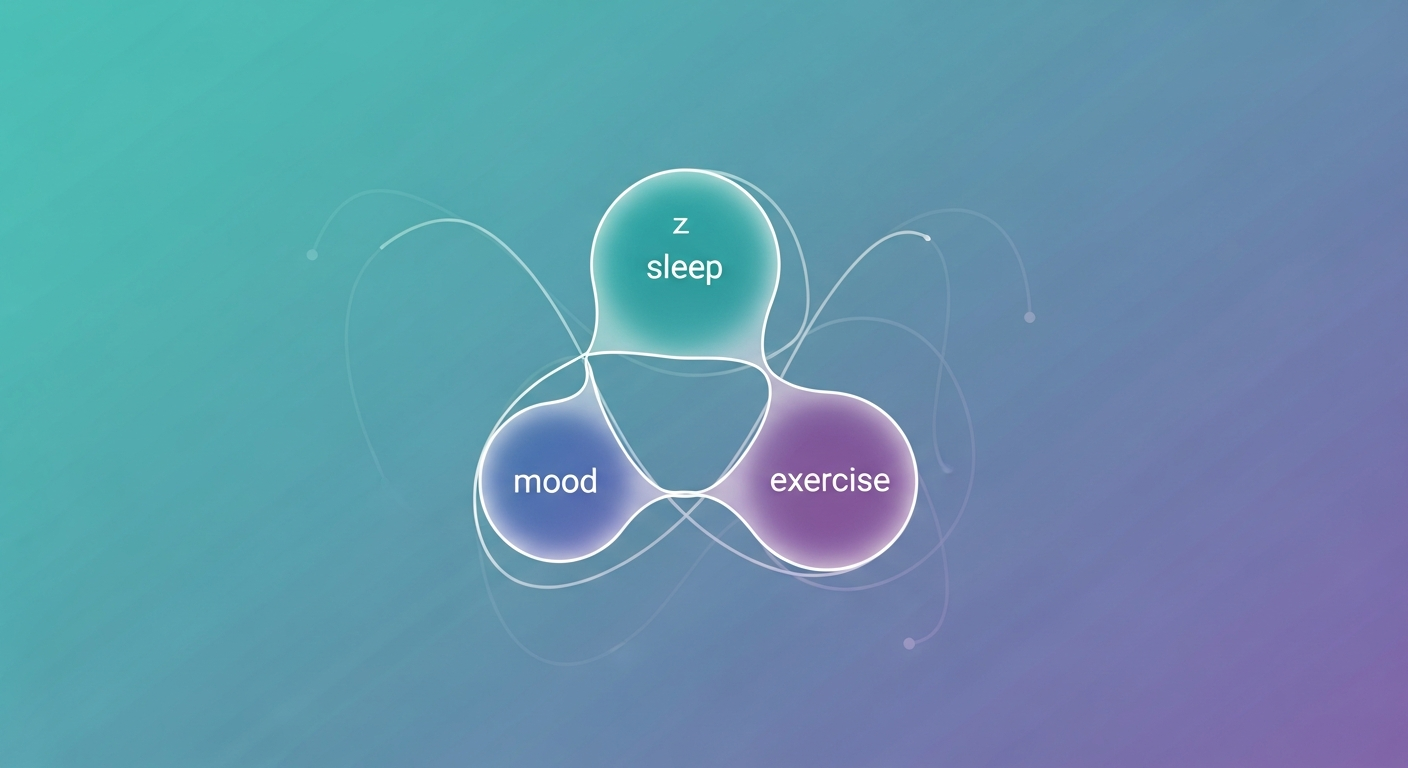
Artificial intelligence does not experience emotions. Instead, it analyzes patterns within information that users voluntarily provide — mood check-ins, journal entries, sleep information, wellness habits, and activity patterns. Research published in Nature Human Behaviour and discussed in JMIR Mental Health on AI-assisted self-monitoring generally frames this role carefully: AI helps organize complex information into understandable insights, rather than replacing human judgment or clinical assessment. We go into more depth on this distinction in our research piece on how AI understands emotional patterns.
Limitations of Mood Tracking
Mood tracking is a useful wellness practice, but it has real limitations. It does not diagnose mental health conditions, replace healthcare professionals, predict the future with certainty, or understand emotions perfectly. Reviews in Clinical Psychology Review and guidance from the American Psychological Association both caution that self-monitoring tools work best as a support for reflection and awareness — not as a substitute for clinical evaluation when someone is in significant distress.
Best Practices for Effective Mood Tracking
Based on patterns described across this research, a few practices are commonly recommended:
- Track consistently rather than perfectly.
- Record moods honestly.
- Include contextual notes.
- Review trends weekly instead of focusing on a single day.
- Look for long-term patterns rather than reacting to one entry.
- Combine mood tracking with healthy habits such as sleep, exercise, and mindfulness.
The Future of Mood Tracking
Advances in artificial intelligence are making mood tracking more personalized. Early research and development in this space, discussed at IEEE conferences on affective computing and in journals like JMIR Mental Health, points toward future systems that may help users identify emotional trends earlier, recognize recurring stressors, suggest reflection prompts, and generate personalized wellness insights. The focus is increasingly shifting from simply recording emotions to helping people understand them — while keeping expectations realistic about what these systems can and cannot know.
Conclusion
Research suggests that mood tracking can improve emotional awareness, encourage reflection, and help individuals recognize patterns that influence wellbeing. While it is not a substitute for professional care, consistent mood tracking may support healthier habits and greater self-understanding over time.
As digital wellness tools continue to evolve, combining mood tracking with journaling, sleep monitoring, and AI-powered insights may provide an even more comprehensive view of emotional wellbeing.
Frequently Asked Questions
Does research support mood tracking?
Yes. Research indicates that regular mood tracking can improve self-awareness, help identify emotional patterns, and support healthy reflection, although it is not a replacement for professional care.
Can mood tracking improve mental health?
Mood tracking may support emotional wellbeing by increasing awareness and helping people recognize patterns, but it should not be viewed as a treatment for mental health conditions.
Is AI mood tracking accurate?
AI can identify patterns in user-provided information, but it cannot truly understand emotions or diagnose psychological conditions. Accuracy depends heavily on the amount and consistency of data available.
How often should I track my mood?
Many people find that checking in once or twice a day provides enough information to identify meaningful trends over time, without turning tracking into a burden.
Explore Mood Tracking Research with WellGrowthAI
Explore how WellGrowthAI applies this research through daily mood tracking, AI-guided journaling, and personalized wellness insights designed to support reflection rather than replace professional care. For related reading, see our guides on building emotional resilience and stress management techniques, and our research piece on how AI understands emotional patterns.