The Complete Guide to AI Emotional Wellness
By WellGrowthAI — July 4, 2026 — 19 min read
Explore how AI is transforming emotional wellness by offering personalized insights and support, complementing traditional mental health practices.
Introduction
As we advance further into the 21st century, the integration of artificial intelligence into various aspects of our daily lives becomes increasingly pronounced. One of the fields where AI's influence is being felt significantly is emotional wellness. "AI emotional wellness" refers to the utilization of artificial intelligence technologies to aid individuals in understanding and managing their emotional health. This emerging field combines machine learning algorithms with psychological research to offer personalized insights and support that can complement traditional methods of emotional wellness practice. In short, AI emotional wellness is the application of digital wellness and emotional health technology to everyday self-understanding — and it is one of the fastest-growing corners of the broader AI wellbeing and wellness technology space.
The interest in AI emotional wellness is fueled by the growing recognition of mental health as a critical component of overall well-being. With the increasing prevalence of mental health issues globally, there is a pressing need for accessible, scalable, and effective emotional support tools. AI technologies have the potential to provide such tools by offering personalized experiences that adapt to individual needs over time. These technologies may help identify patterns in emotional states, provide real-time feedback, and suggest interventions that have been informed by evidence-based practices.
However, it is essential to approach AI emotional wellness with a balanced perspective. While these tools show promise, they are not a panacea for all emotional health issues. They should not be seen as a replacement for professional mental health care but rather as a complementary resource that can enhance one's emotional well-being. The potential of AI in this context lies in its ability to democratize access to emotional wellness tools, making them available to a broader audience and offering support that is both innovative and grounded in scientific research. As more people ask what AI emotional wellness actually looks like day to day, the answer usually comes down to a handful of core tools available through any modern AI wellness app or wellness platform: mood tracking, journaling, guided reflection, and an always-available AI companion.

The Core Pillars of AI Emotional Wellness
Mood Tracking
Mood tracking is a fundamental component of AI emotional wellness programs. An AI mood tracker works by utilizing algorithms that can analyze user inputs, such as self-reported emotions and behavioral data, to help individuals become more aware of their emotional patterns. These tools often incorporate machine learning to detect subtle shifts in mood that may not be immediately apparent to the user. By providing visualizations or summaries of mood trends over time, this kind of mood analysis can facilitate deeper self awareness and encourage proactive management of emotional health. While mood tracking in itself is not diagnostic, it can serve as a valuable starting point for discussions with mental health professionals.
Journaling & Reflection
Journaling and reflection are time-tested methods for enhancing emotional wellness, and AI journaling can augment these practices by offering dynamic feedback and prompts tailored to the user’s needs. An AI journaling app can analyze written entries to identify themes and patterns, offering insights that might encourage deeper reflection — functioning much like an AI self reflection app or emotional wellness app that grows more attuned to you over time. These tools may also suggest prompts based on user mood or previous entries, fostering a more engaging and introspective journaling experience. The ability to review past entries alongside AI-generated insights can help users track their progress and reflect on changes over time, contributing to a greater sense of self-awareness and emotional growth.
An AI Companion for Daily Conversation and Reflection
An AI companion for emotional support can serve as a digital confidant, offering users a space for daily conversation and reflection. These companions are designed to simulate empathetic interactions, providing responses informed by natural language processing and AI emotional intelligence — the branch of machine learning, sometimes just called emotional intelligence AI, focused on recognizing and responding to human emotional cues. While they are not a substitute for human interaction, AI companions can offer a form of support that is accessible at any time, which may be particularly beneficial for individuals who find it difficult to reach out to others. By engaging in regular dialogue with an AI companion, users may gain new perspectives on their thoughts and emotions, which can be a valuable form of AI emotional support and a meaningful component of their emotional wellness journey.
Sleep & Biometric Awareness
Sleep and biometric awareness are critical elements of holistic emotional wellness strategies. AI technologies can help individuals monitor their sleep patterns and other biometric data, such as heart rate variability and activity levels, to provide insights into how these factors may be influencing their emotional state. By offering personalized recommendations based on this data, these tools can encourage healthier sleep habits and lifestyle changes that support emotional well-being. While AI-driven biometric monitoring should not replace professional medical advice, it can enhance an individual's understanding of the complex interplay between their physical and emotional health — making it a useful piece of any broader digital health, AI for emotional health, and AI for stress management routine.
Meditation & Mindfulness
Meditation and mindfulness practices have long been associated with improved emotional health, and AI can play a supportive role in these practices by offering guided sessions and personalized feedback. AI-powered apps can tailor meditation exercises to suit the user's current emotional state or specific goals, such as stress reduction or enhancing focus, making them a practical option for anyone exploring AI for stress relief. By analyzing user engagement and feedback, these tools can adapt over time to offer increasingly effective and relevant guidance. The integration of AI in meditation and mindfulness practices allows for a more personalized and flexible approach, which can enhance the overall effectiveness of these time-honored techniques.
Resilience Building
Building resilience is an essential component of emotional wellness, and AI can assist in this area by providing targeted exercises and activities designed to strengthen coping mechanisms. Through the use of data-driven insights, AI tools can suggest strategies that align with the user's unique strengths and challenges, helping them to develop more adaptive responses to stress and adversity. These tools often focus on promoting positive thinking, emotional regulation, and problem-solving skills. While AI-driven resilience building is not a substitute for therapy, it can complement therapeutic efforts and empower individuals to take an active role in enhancing their emotional resilience — supporting both burnout prevention and, for those already feeling depleted, AI for burnout recovery.
How AI Actually Helps Emotional Wellbeing
In recent years, artificial intelligence (AI) has emerged as a significant player in the realm of emotional wellness, offering tools and resources that may complement traditional therapeutic approaches. Understanding the benefits of AI emotional wellness — and honestly, its limits — starts with looking at how AI improves emotional wellness in practice, one small habit at a time. Although AI is not a panacea for emotional or mental health challenges, it holds the potential to support individuals in several meaningful ways. Understanding its capabilities and limitations is crucial for anyone considering integrating AI into their wellness routines.
Noticing Patterns Over Time
One of the primary ways AI can assist in emotional wellbeing is through the detection of patterns in an individual's behavior and emotional states. By analyzing data from daily interactions, mood check-ins, and journaling entries, AI systems can identify trends that might not be immediately apparent to the individual. For instance, if someone tends to report feeling more anxious on weekdays, the AI might suggest exploring this pattern further, potentially guiding them to uncover underlying causes such as work-related stress. This ability to notice patterns over time seems to offer individuals AI emotional insights that might support more informed discussions with mental health professionals.
Providing Structure and Consistency
AI platforms can also provide a structured framework to help individuals establish and maintain consistent emotional wellness practices. By sending reminders for activities such as daily journaling, mood tracking, or meditation, AI can foster a sense of routine that may be beneficial in managing stress and promoting mental clarity. The consistent structure provided by AI can encourage users to engage in regular self-reflection, which tends to be a cornerstone of emotional resilience, healthy habits, and gradual behavior change. For many, this structured approach can help integrate wellness practices into their daily lives more seamlessly.
Offering a Non-Judgmental Space
Another advantage AI offers is the creation of a non-judgmental space for individuals to express their thoughts and feelings. AI companions or chatbots can offer a form of companionship that is free from human biases or judgment, allowing users to explore their emotions without fear of stigma. This can be particularly beneficial for those who may feel uncomfortable discussing certain topics with friends or family. While AI provides this space, it is essential to remember that the responses generated are based on algorithms and not on personal understanding or empathy, which remain unique to human interactions.
Important: While AI tools can support emotional wellness, they are not substitutes for professional mental health care. If you are experiencing a crisis or need professional guidance, it is crucial to reach out to a qualified mental health provider or emergency services.
What a Good AI Emotional Wellness Routine Looks Like
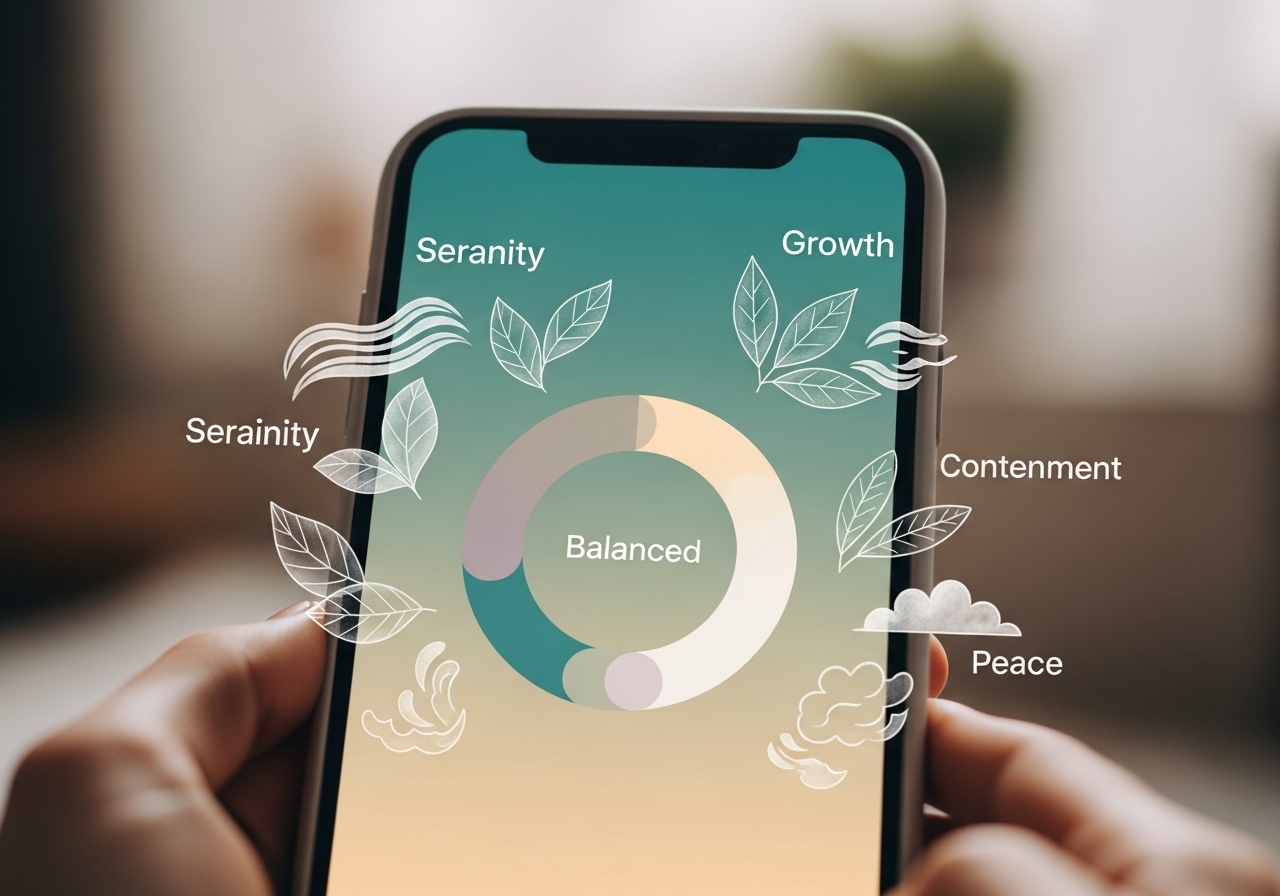
Creating a balanced, personalized emotional wellness routine that incorporates AI tools can be a beneficial way to maintain mental clarity and emotional resilience. Integrating AI into daily life does not require a complete overhaul of routines but rather thoughtful inclusion at key points in the day.
Morning Check-In
The day might begin with a morning check-in using an AI-powered app. This could involve answering a few prompts about your current mood and setting intentions for the day. An AI companion might suggest a short guided meditation to help center your thoughts and prepare you for the day ahead. By setting aside a few minutes each morning for this practice, you may establish a mindful start that sets a positive tone for the hours to come.
Midday Reflection
As the day progresses, a midday reflection can serve as a valuable pause to assess how the day is unfolding. This might involve a quick journaling session facilitated by AI, where you can jot down feelings or thoughts that have arisen. The AI can prompt you with questions that encourage deeper reflection, helping you to identify any shifts in mood or stress levels. Such a practice can provide clarity and a moment of calm amidst a busy day.
Evening Wind-Down
In the evening, an AI tool might guide you through a wind-down routine to ease the transition from the day's activities to restful sleep. This could include a session of guided meditation focused on relaxation. Additionally, the AI might offer prompts for gratitude journaling, encouraging reflection on positive moments from the day. Sleep tracking features can also be integrated to monitor sleep patterns, providing insights that may help improve sleep quality over time.
Weekly Reflection
Beyond daily practices, a weekly reflection facilitated by AI can be an integral part of a comprehensive emotional wellness routine. This might involve reviewing AI mood tracking data and journaling entries from the past week, identifying any recurring themes or areas for growth. The AI can highlight significant trends or suggest areas for focus in the upcoming week. This practice not only aids in personal insight but also in setting goals and intentions for continued emotional development.
By thoughtfully incorporating AI into these daily and weekly practices, individuals can craft a personalized routine that supports emotional wellness while complementing traditional self-care and professional mental health resources.
What the Research Suggests
Journaling
Research consistently suggests that journaling may serve as a valuable tool for enhancing emotional wellness. Journaling tends to provide individuals with a structured outlet to express their thoughts and feelings, which could lead to greater self-awareness and emotional clarity. Many studies have found that this practice might help individuals process complex emotions, reduce stress, and potentially improve overall mental health. By writing regularly, individuals often gain insights into their emotional patterns, which may aid in managing anxiety and depressive symptoms. However, it is important to note that the effectiveness of journaling can vary from person to person, and it may not serve as a replacement for professional mental health care when needed.
Mood Tracking
Mood tracking is another area where research has shown promising indications regarding its impact on emotional wellness. Studies have found that regularly monitoring one’s mood could help individuals identify patterns and triggers associated with emotional fluctuations. This self-monitoring process may support individuals in recognizing early signs of mental health challenges, allowing them to take proactive steps in managing their emotional well-being. By documenting mood variations over time, individuals might better understand how lifestyle factors such as diet, exercise, and sleep contribute to their emotional states. While mood tracking can be a helpful tool, it should be used in conjunction with other wellness strategies and professional guidance where necessary.
Mindfulness & Meditation
Mindfulness and meditation practices have been extensively researched, with findings suggesting they often contribute positively to emotional wellness. Such practices may promote a greater sense of calm and focus, allowing individuals to cultivate a more balanced perspective on their thoughts and feelings. Studies indicate that mindfulness and meditation could help reduce symptoms of anxiety and depression, enhance emotional regulation, and improve overall mental health resilience. These practices typically encourage individuals to become more present in the moment, which can help in reducing rumination and stress. While the benefits of mindfulness and meditation are well-documented, it is crucial to approach these practices as part of a broader wellness strategy rather than as a standalone solution.
Sleep
Research has long established a strong connection between sleep quality and emotional wellness. Studies have consistently suggested that adequate and restful sleep is critical for maintaining mental health, as it appears to play a vital role in emotional regulation and cognitive functioning. Poor sleep, on the other hand, tends to exacerbate feelings of irritability and stress, and may contribute to the development or worsening of mental health conditions such as depression and anxiety. By prioritizing healthy sleep habits, individuals might experience improvements in mood stability and overall emotional well-being. However, sleep challenges can be complex and, in some cases, may require professional intervention, particularly if they persist or significantly impact daily functioning.
How to Choose an AI Wellness Companion or Tool
Not every personalized wellness app is built the same way, and the right AI mental wellness platform for one person may not suit another. Before settling on any wellness technology, it helps to know what separates a genuinely useful tool from one that just looks good in an app store listing. Here is what to look for in a best AI wellness app shortlist:
- Privacy and Data Handling: It is crucial to select an AI wellness tool that prioritizes user privacy and ensures robust data protection measures. Look for platforms that are transparent about how they collect, store, and use personal data, and that comply with relevant privacy laws and regulations. This can often provide users with the confidence that their sensitive information is handled responsibly.
- Personalization Quality: Effective AI wellness tools should offer a high degree of personalization, tailoring their recommendations and interactions to fit individual user needs and preferences. Consider whether the tool uses advanced algorithms to adapt its support and suggestions based on user input, as this tends to enhance the relevance and impact of the wellness experience.
- Evidence-Based Design: Selecting a tool grounded in scientific research and evidence-based practices is essential for ensuring its effectiveness. Users should investigate whether the platform incorporates proven psychological principles and methodologies, which could indicate a greater likelihood of delivering meaningful support for emotional wellness.
- Non-Judgmental and Warm Tone: The tone of interaction with an AI tool can significantly affect user experience. Choose platforms that communicate in a warm, empathetic, and non-judgmental manner, as this can help foster a sense of safety and trust, encouraging users to engage more openly with the tool.
- Transparency About Limitations: It is important for AI wellness tools to clearly acknowledge their limitations and not overstate their capabilities. Users should look for platforms that provide honest information about what they can and cannot do, ensuring that expectations are aligned with the tool’s actual functions.
- Human Support Pathways When Needed: While AI tools can offer valuable support, there are times when professional human intervention is necessary. A good AI wellness companion should provide clear pathways to human support, such as referrals to mental health professionals or crisis hotlines, ensuring users have access to the care they need.

Getting Started: Your First Two Weeks
Week One: Building Awareness
Embarking on your journey with AI-supported emotional wellness tools — sometimes described as having an AI wellness coach in your pocket — can be an exciting experience. The first week is all about building awareness of your current emotional state and understanding how these tools can assist you. Here are some practical steps to guide you through the first week.
- Day 1-2: Initiate Mood Check-Ins
Begin by setting aside five minutes each day to engage with mood check-in tools. These tools often prompt you to reflect on your emotional state, which may help increase your awareness of patterns and triggers. Try to be as honest and open as possible during these check-ins to maximize their effectiveness.
- Day 3-4: Start a Digital Journal
Incorporate digital journaling into your routine. Many AI platforms offer journaling prompts that may help you explore your thoughts and feelings more deeply. Aim to write for at least 10 minutes about your experiences, emotions, and any observations from your mood check-ins.
- Day 5: Meet Your AI Companion
Familiarize yourself with an AI companion, a tool designed to provide support and companionship. Engage in a brief conversation to understand how it can assist you in managing daily stressors or emotional challenges. These companions tend to offer thoughtful responses that can help you feel more grounded.
- Day 6-7: Reflect and Adjust
Take some time to reflect on your experiences from the week. Consider which tools you found most helpful and why. Adjust your approach if needed, perhaps by focusing more on the tools that resonate with you. This reflection can guide your path forward.
Week Two: Building Consistency
Consistency is key to developing any new habit. In the second week, the focus shifts to establishing a regular routine that integrates these tools into your daily life. Here are some strategies to help you build consistency with your AI-supported emotional wellness practices.
- Day 8-10: Schedule Regular Check-Ins
By now, mood check-ins should start to feel more familiar. Set a specific time each day to complete them, such as during your morning coffee or before bed. Consistency in timing may help make this practice a natural part of your routine.
- Day 11-12: Enhance Your Journaling Practice
Continue journaling, perhaps experimenting with different prompts or styles. Some people find it helpful to journal at the same time each day, while others prefer a more spontaneous approach. Do what feels right for you, but aim to write regularly.
- Day 13: Integrate Sleep Tracking
Introducing sleep tracking can offer insights into your sleep patterns and their impact on your emotions. Begin by setting up your sleep tracking tool and review the data it provides. Understanding your sleep quality may help you identify areas for improvement.
- Day 14: Explore Guided Meditation
End the week by trying a guided meditation session. Many AI platforms offer a range of meditation styles and durations, so explore a few options to find what suits you best. Regular meditation may enhance your emotional awareness and overall well-being over time.
As you conclude your first two weeks, recognize the progress you've made. Building new habits can be challenging, but by integrating these AI-supported tools into your life, you are taking proactive steps toward enhancing your emotional wellness. Remember, the journey is personal, and finding what works best for you may take some time. Stay patient and open-minded, and continue exploring the possibilities that AI emotional wellness tools have to offer.
Common Myths About AI and Emotional Wellness
As AI technology advances, its role in emotional wellness continues to grow. However, several myths persist about the capabilities and limitations of AI in this field. Addressing these misconceptions is crucial for understanding how AI can positively contribute to emotional wellness.
- Myth: AI can diagnose mental health conditions.
While AI tools can analyze patterns and identify potential indicators of emotional distress, they do not possess the capability to diagnose mental health conditions. Diagnosis requires a comprehensive evaluation by licensed professionals who can consider the nuances of an individual’s history and symptoms. AI may serve as a supportive tool, offering preliminary insights that can be further explored with a healthcare provider. - Myth: AI replaces therapy.
AI cannot replace the therapeutic relationship between a client and a therapist. Therapists offer empathy, nuanced understanding, and dynamic interaction that AI cannot replicate. AI tools may complement therapy by providing users with tools for self-reflection and self-monitoring, but they function best as an adjunct to traditional therapeutic practices rather than as a replacement. - Myth: AI tools understand you better than humans do.
Although AI can process vast amounts of data to identify patterns, it lacks the emotional intelligence and empathy inherent in human interactions. Humans bring a depth of understanding, personal experience, and emotional resonance that AI cannot achieve. AI tools can provide valuable insights and support, but they should not be mistaken for human understanding. - Myth: Using an AI tool means you're weak or broken.
Seeking support, whether through AI or other means, is a proactive step towards maintaining emotional wellness. Utilizing AI tools reflects a commitment to personal growth, mental fitness, and self improvement — not a sign of weakness. These tools can empower individuals to take control of their mental health journey, providing accessible resources for self-care and emotional monitoring.
Frequently Asked Questions
What is AI’s role in emotional wellness?
AI plays a supportive role in emotional wellness by providing tools that facilitate self-reflection, monitor mood patterns, and offer personalized insights. It serves as an adjunct to traditional mental health resources, aiming to complement and enhance existing support systems rather than replace them.
Can I use AI tools without consulting a therapist?
AI tools can be used independently for general well-being and self-monitoring. However, they are most effective when used alongside professional guidance. Consulting a therapist ensures that any insights or concerns identified by AI are evaluated within the context of comprehensive care.
Are AI emotional wellness tools safe?
AI emotional wellness tools generally prioritize user safety and privacy. However, it is important to choose reputable tools that clearly outline their data protection measures. Users should remain informed about how their data is used and seek tools that maintain high standards of ethical practice.
How do AI tools handle my personal data?
AI tools typically employ secure data handling practices, but transparency varies among providers. Users should review privacy policies to understand how their data is stored, processed, and shared. Opt for tools that prioritize confidentiality and provide clear information about data management.
Can AI replace human interaction in emotional wellness?
AI cannot replace the rich, nuanced interaction that occurs between humans. While AI can offer supplementary support and insights, it lacks the empathy and emotional depth that human relationships provide. Emotional wellness thrives on human connection, which AI can support but not substitute.
What is AI emotional wellness?
AI emotional wellness — also described as AI emotional wellbeing or an AI emotional wellness app — refers to the use of artificial intelligence tools — such as an AI mood tracker, an AI journaling app, or an AI companion — to help people notice patterns in their emotions, build healthy habits, and reflect more consistently. It sits alongside, rather than replaces, traditional emotional wellness practices and professional mental health care.
What are the benefits of AI emotional wellness?
The benefits of AI emotional wellness tend to center on accessibility and consistency: always-available support, structured mood tracking and mood analysis, personalized journaling prompts, and gentle reminders that support behavior change over time. Many people also find that an AI companion offers a low-pressure space for self reflection between therapy sessions or on days when reaching out to another person feels harder.
How does AI improve emotional wellness?
AI improves emotional wellness mainly through consistency and pattern recognition — things that are difficult for most people to track on their own. By combining daily check-ins, journaling, and biometric signals like sleep quality, an AI wellness platform can surface patterns over weeks and months, offer timely prompts, and encourage the kind of steady, small-habit self improvement that tends to compound over time.
What is the future of AI wellness?
The future of AI wellness is likely to bring deeper personalization, better integration between digital wellness tools and human care teams, and more thoughtful safeguards around privacy and emotional data. As the wellness technology space matures, expect a stronger emphasis on evidence-based design and honest communication about what AI can and cannot do for emotional health.
Conclusion
As we navigate the evolving landscape of emotional wellness, AI emerges as a valuable companion rather than a replacement for human support. These technologies offer tools that can enhance our understanding of personal well-being, providing insights and opportunities for reflection. However, the heart of emotional wellness remains rooted in human connection and professional care. By integrating AI with traditional resources, individuals are empowered to pursue a holistic approach to mental health. Think of this AI wellness guide as a starting point rather than a finish line — as the field matures, expect deeper personalization, more nuanced wellness coaching, and tighter integration between digital wellness tools and traditional care. Embracing AI as a complement to our wellness journey allows us to harness its potential while recognizing the irreplaceable value of human empathy and understanding.
Explore more: Breathing techniques for anxiety · The science behind mindfulness · Sleep routine guide · All wellness articles →